
When buying carbon steel butt weld fittings, choosing between SCH 40, SCH 80 and SCH 160 is not simply a matter of selecting a thicker fitting for a higher-pressure application. The fitting must match the pipe, material grade, operating conditions, and project specification.
For distributors and project buyers, an incorrect schedule can create problems during welding, affect the internal bore, cause procurement mismatches and delay installation.
This guide explains the practical differences between SCH 40, SCH 80 and SCH 160 butt weld fittings, what schedule really means, and what buyers should confirm before placing a bulk order.
What Does SCH Mean for Butt Weld Fittings?
SCH, or Schedule, is a widely used designation for pipe wall thickness. In butt weld fittings, it is commonly used to identify the nominal wall thickness required at the welding ends.
For example, buyers may request:
- Carbon steel butt weld fittings SCH 40
- Carbon steel butt weld fittings SCH 80
- Carbon steel butt weld fittings SCH 160
- ASME B16.9 SCH 40 elbows
- ASME B16.9 SCH 80 tees
- ASME B16.9 SCH 160 reducers
The actual wall thickness associated with a schedule depends on the NPS size. Therefore, SCH 40 does not represent one fixed thickness across all pipe sizes.
ASME B16.9 also makes an important distinction: the standard covers fittings of any producible wall thickness, while schedule numbers are commonly used as a convenient ordering designation associated with standardized pipe wall thicknesses.
SCH 40 vs SCH 80 vs SCH 160 Butt Weld Fittings
The basic difference is wall thickness.
| Schedule | Relative Wall Thickness | Typical Purchasing Consideration |
|---|---|---|
| SCH 40 | Standard / medium | General industrial piping |
| SCH 80 | Thicker | Higher pressure, temperature or mechanical requirements |
| SCH 160 | Much heavier | High-pressure or demanding industrial piping |
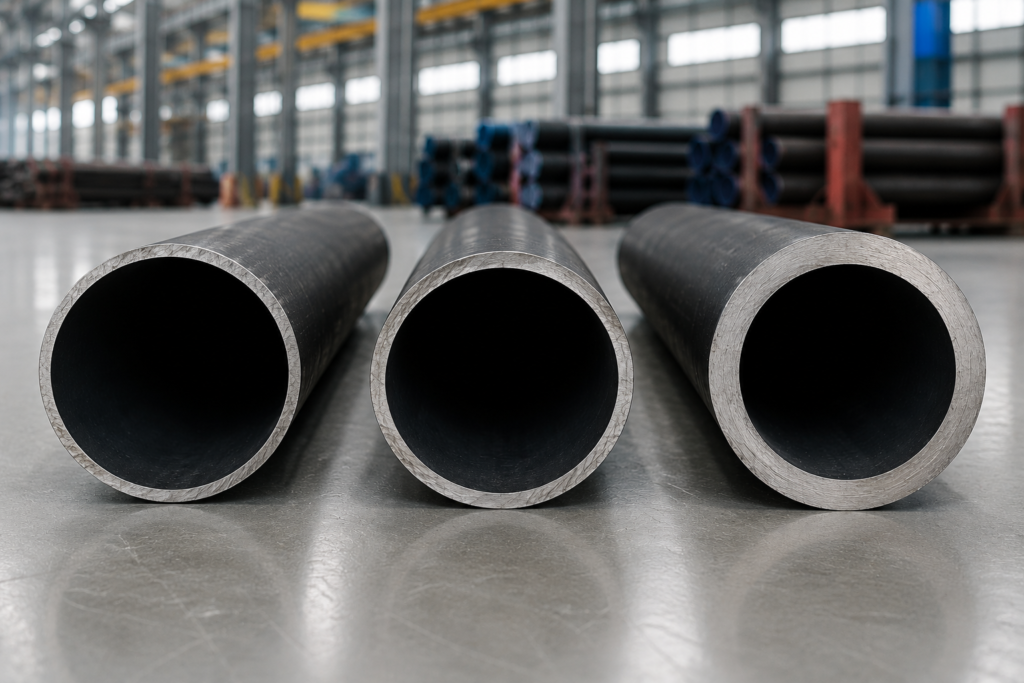
A thicker wall does not automatically mean that the fitting is suitable for every high-pressure application. The final selection depends on the applicable piping code, material, temperature, pressure, corrosion allowance and project design.
For this reason, buyers should avoid selecting SCH 80 or SCH 160 only because “thicker is safer.” The fitting and pipe should be specified as a complete piping system.
Why Matching the Fitting Schedule to the Pipe Matters
This is one of the most common issues in industrial fitting procurement.
If a project specifies SCH 80 carbon steel pipe, but the supplied elbow, tee or reducer has an incompatible wall thickness, the welding ends may not match correctly.
This can affect:
- Weld preparation
- Internal bore alignment
- Welding procedures
- Dimensional fit-up
- Installation efficiency
- Project inspection and acceptance
For bulk orders, the problem becomes more serious because hundreds or thousands of fittings may need to be sorted, replaced or reworked.
A professional RFQ should therefore state the pipe size, schedule or exact wall thickness, material grade and applicable standard rather than simply requesting a “heavy-duty” fitting.
Carbon Steel Butt Weld Fittings for SCH 40, 80 and 160
For industrial applications, ASTM A234 WPB carbon steel butt weld fittings are among the most commonly specified options.
Typical products include:
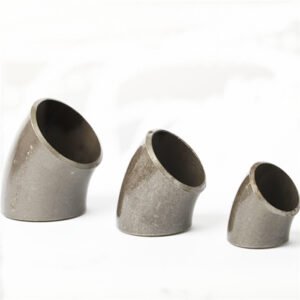
- 45° and 90° butt weld elbows
- Long radius and short radius elbows
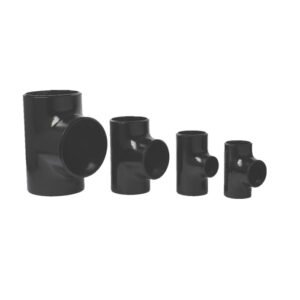
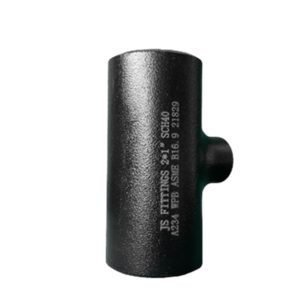
- Equal and reducing tees
- Concentric and eccentric reducers
- Butt weld caps
- Crosses
- Other project-specific fittings
For standard factory-made wrought butt welding fittings, ASME B16.9 defines dimensional and manufacturing requirements. The current ASME description covers fittings from NPS 1/2 through NPS 48.
For larger or special pipeline requirements, other standards may apply, so the applicable project specification should always be confirmed before production.
SCH 40, SCH 80 or SCH 160: Which One Should You Buy?
There is no universal answer.
The correct schedule should be selected based on the piping design rather than the fitting alone.
SCH 40 Buttweld Fittings
SCH 40 fittings are widely used in general industrial piping where the operating conditions do not require heavier wall thickness.
They are often suitable for:
- General process piping
- Water and utility systems
- Factory piping
- Standard industrial installations
SCH 80 Buttweld Fittings
SCH 80 fittings have a thicker wall than SCH 40 for the same nominal pipe size.
They may be specified when the system requires greater wall thickness due to operating pressure, temperature, mechanical loading or corrosion considerations.
SCH 160 Buttweld Fittings
SCH 160 represents a heavier wall series and is normally associated with more demanding piping requirements.
It can be encountered in:
- High-pressure process systems
- Oil and gas facilities
- Petrochemical applications
- Heavy industrial piping
- Specialized engineering projects
However, SCH 160 should not be selected simply because the project is classified as “high pressure.” The pressure-temperature design and applicable piping code should determine the required wall thickness.
A Common Procurement Problem: “Schedule” Is Not Enough
For a professional quotation, simply writing:
“Carbon steel butt weld fittings, SCH 80”
may still leave important information missing.
A better RFQ should include:
Standard: ASME B16.9
Material: ASTM A234 WPB
Size: NPS 2, 4, 6, 8, etc.
Schedule: SCH 40 / SCH 80 / SCH 160
Fitting Type: Elbow / Tee / Reducer / Cap
Elbow Radius: LR or SR, if applicable
Quantity: Exact quantity by size and type
Inspection: MTC / TPI / NDT requirements
Surface: Black painting, oiling or other treatment
Packing: Export packing requirements
This information allows the manufacturer to quote accurately and reduces clarification time after the purchase order is issued.
Real Bulk Order: Carbon Steel Butt Weld Fittings Shipped to the UAE
RAYOUNG has supplied large-volume carbon steel butt weld pipe fittings to a customer in the UAE, covering various sizes and specifications for an industrial piping requirement.
The order included a mixed range of carbon steel elbows, tees, reducers and other butt weld fittings, requiring different sizes and wall thickness specifications. For an order of this scale, production consistency is critical because the fittings need to remain dimensionally compatible across the entire batch.
Before shipment, the fittings were checked according to the agreed purchase requirements, including product dimensions, appearance, marking and material documentation. The completed order was then packed for international sea transportation and shipped to the UAE.
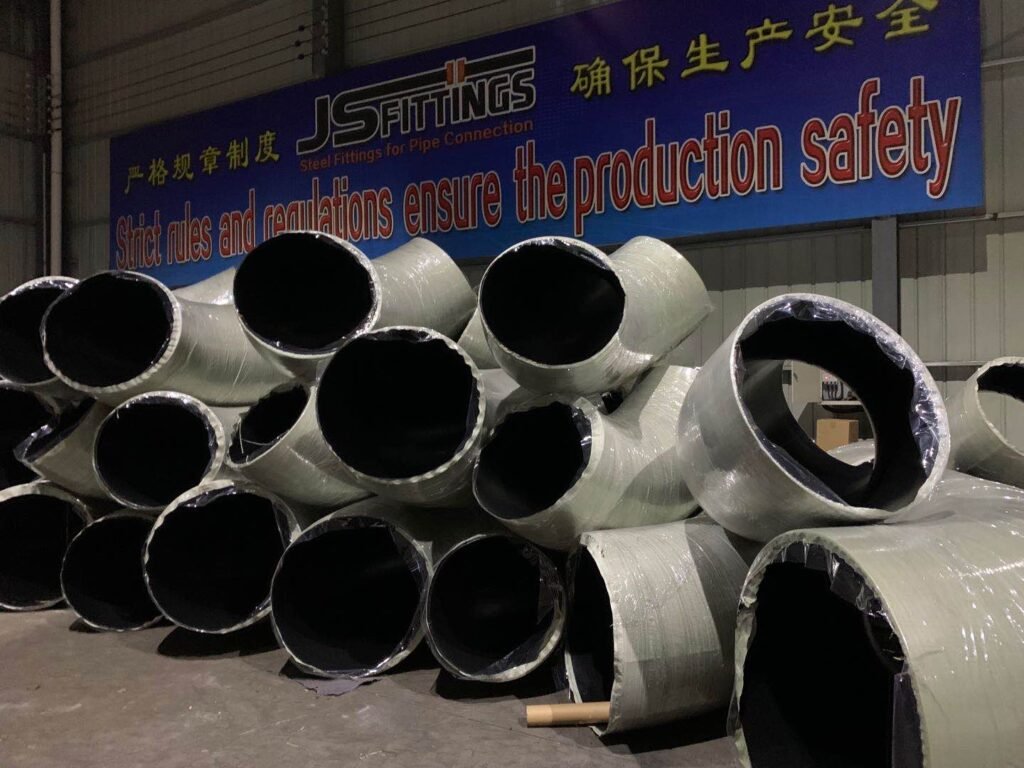
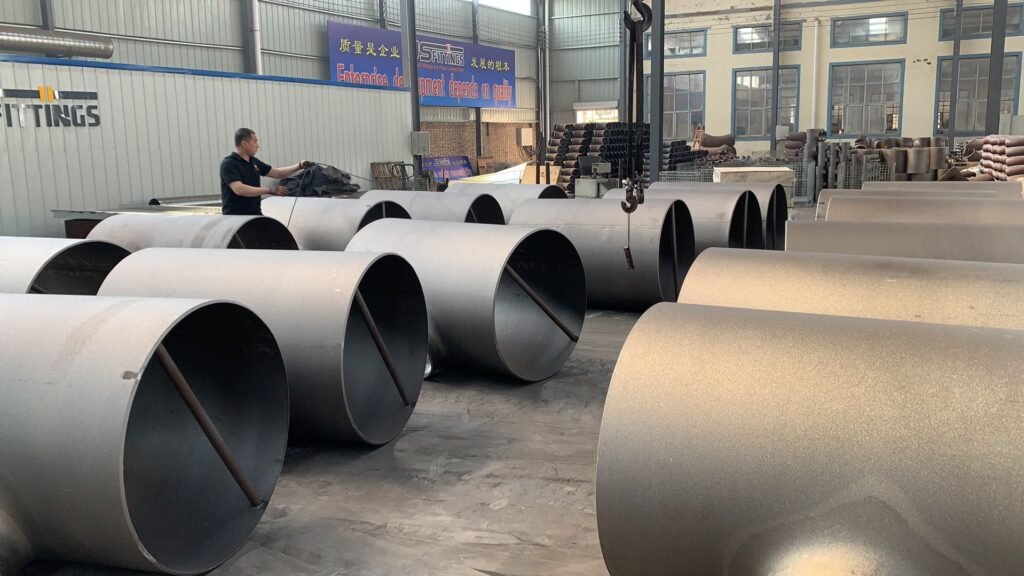
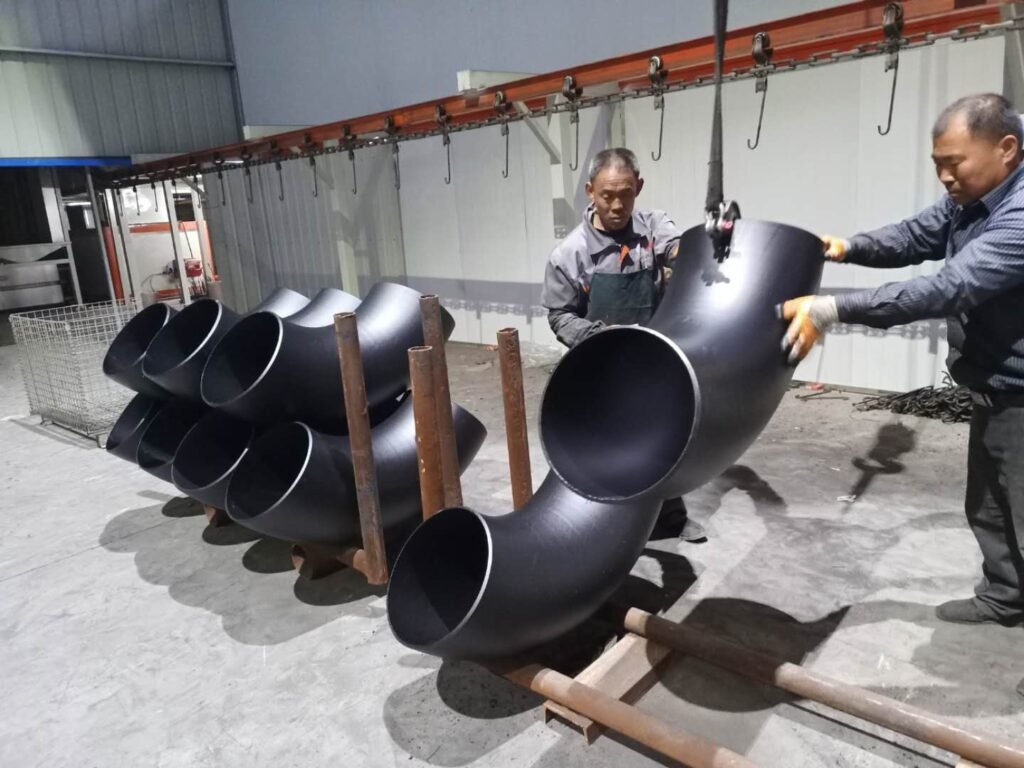
This type of bulk order reflects a common requirement among UAE stock distributors, traders and engineering contractors: they need a supplier capable of handling mixed-size carbon steel butt weld fittings rather than supplying only a few standard items.
For buyers purchasing SCH 40, SCH 80 or SCH 160 fittings in volume, manufacturing capacity and quality consistency are just as important as the unit price.
Choosing a Butt Weld Fittings Supplier for Bulk Orders
For a large order, the supplier’s ability to manufacture one fitting correctly is only the starting point.
A reliable supplier should be able to maintain consistent:
- Wall thickness
- Outside diameter
- End preparation
- Center-to-end dimensions
- Material traceability
- Heat number marking
- Documentation
- Packing and shipment
RAYOUNG manufactures and exports carbon steel butt weld fittings, including SCH 40, SCH 80 and SCH 160 configurations, for overseas distributors, traders and engineering projects.
Our product range includes ASME B16.9 elbows, tees, reducers, caps and other industrial butt weld fittings, with carbon steel grades such as ASTM A234 WPB available according to project requirements.
With a 35,000 m² production base, 100+ employees and monthly export shipments exceeding 90 containers, RAYOUNG is equipped to handle mixed and bulk orders rather than only small individual purchases.
If you are sourcing SCH 40, SCH 80 or SCH 160 carbon steel butt weld fittings, send us your size list, material grade, applicable standard and required quantity. We can review the specification and prepare a quotation based on your actual project or inventory requirements.
RAYOUNG — Carbon Steel Butt Weld Fittings, Flanges and Steel Pipes
Email: info@hb-steel.com
More article: Buttweld Fitting Rating vs. Thickness: A Complete Engineering Guide for Piping Projects