
In piping engineering, the method you choose to join components is just as vital as the material of the pipes themselves. The debate between flanged vs. threaded connections is a common one, and the “right” answer depends entirely on your specific operational environment.
While both methods are designed to create a secure union, they differ significantly in terms of pressure tolerance, ease of installation, and long-term maintenance requirements.
This guide breaks down the technical nuances to help you make an informed decision.
Understanding Flanged Connections:
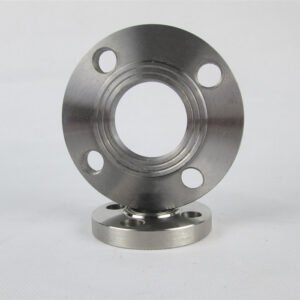
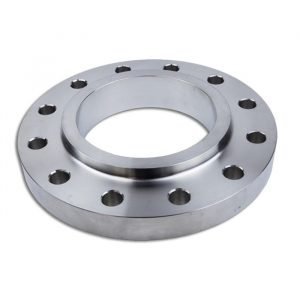
A flanged connection consists of two matching disc-shaped rims (flanges) bolted together with a gasket compressed between them. This creates a high-integrity, leak-resistant seal.
When to Prioritize Flanged Joints:
- High-Pressure & High-Temperature Environments: Flanges are the go-to solution for critical infrastructure, such as oil refineries, chemical plants, and heavy industrial water systems.
- Large Diameter Piping: Once a pipe exceeds 2 inches in diameter, threading becomes impractical. Flanges provide the structural stability needed for larger scales.
- Frequent Maintenance Needs: One of the greatest benefits of a flanged system is its modularity. You can easily unbolt a section for inspection, cleaning, or replacement without cutting the pipe.
- Structural Rigidity: Flanged joints are better at absorbing mechanical stresses, such as vibrations and thermal expansion, compared to rigid threaded joints.
Understanding Threaded Connections:
Threaded connections rely on a screw-and-socket mechanism, where male and female threads are joined using a sealant (like Teflon tape or pipe dope).
When to Choose Threaded Joints:
- Low-Pressure Applications: Ideal for residential plumbing, fire protection systems, and non-critical gas lines.
- Small Bore Piping: Threading is highly efficient for pipes with a diameter of 2 inches or less.
- Cost-Sensitive Projects: Because they require fewer components (no bolts or specialized gaskets) and no welding, threaded connections generally offer a lower upfront cost.
- Ease of Installation: No specialized heavy equipment is needed. A simple pipe wrench is often the only tool required, making them perfect for tight spaces or temporary setups.
Comparison between flanged vs threaded
| Feature | Flanged connection | Threaded connection |
| Pressure resistance | High | Low to medium |
| Pipe size compatibility | Medium to large | Small |
| Installation | Requires bolts and flanges | Screwed into place |
| Maintenance | Easy to disassemble | More difficult to disassemble |
| Cost | Higher | Lower |
Flanged vs. Threaded: Key Decision Factors
To ensure the longevity and safety of your system, evaluate these four critical factors:
1. Pressure and Safety Ratings
Flanges are designed to meet specific pressure classes (e.g., Class 150 to 2500). If your system handles volatile fluids or extreme pressures, the bolted security of a flange is non-negotiable. Threaded joints are prone to “weeping” or slow leaks under high-stress conditions.
2. Pipe Size and Weight
- Threaded: Best for small-bore, lightweight pipes.
- Flanged: Required for medium-to-large-bore, heavy-wall piping.
3. Maintenance and Accessibility
Ask yourself: How often will this valve or pump need to be serviced? If the answer is “frequently,” flanged connections will save you hours of labor. Threaded joints can become “frozen” over time due to corrosion, making them difficult to disassemble without damaging the threads.
4. Installation Environment
In “hot work” restricted areas where welding isn’t allowed, threaded connections or lap-joint flanges provide a safer alternative. However, in systems subject to heavy vibration (like those near reciprocating pumps), threads can loosen, whereas bolted flanges remain secure.
The Bottom Line: Which is Right for You?
The choice isn’t just about cost—it’s about application-fit.
- Choose Flanged for industrial-grade durability, high-pressure safety, and ease of long-term maintenance.
- Choose Threaded for light-duty systems where speed of installation and budget are the primary drivers.
At Rayoung, we understand that every piping project comes with unique challenges. Whether you need heavy-duty ANSI flanges or precision-threaded components, our technical team is here to provide the expertise and hardware you need to keep your systems running at peak efficiency.
Contact Rayoung today for a custom quote or technical consultation on your next piping project.
Email: info@hb-steel.com
Tel/WhatsApp: 86-18003119682