

Choosing the right material for pipe fittings is not just a technical requirement—it’s a critical decision that impacts the safety, durability, and cost-efficiency of your entire piping system. At Rayoung, we understand that every industrial environment demands specific mechanical properties.
In this comprehensive guide, we break down the primary materials used in pipe fitting manufacturing, their unique benefits, and where they perform best.
Why Material Selection Matters in Piping Systems?
In high-pressure or corrosive environments, a mismatch in material can lead to premature failure, leaks, or even catastrophic system collapses.
When selecting pipe fitting materials, engineers must prioritize:
- Corrosion Resistance: Ability to withstand chemical or environmental oxidation.
- Temperature & Pressure Ratings: Maintaining structural integrity under extreme heat or stress.
- Weldability & Fabricability: Ease of installation and maintenance.
- Longevity vs. Cost: Balancing initial investment with life-cycle performance.
Common Pipe Fitting Materials and Their Properties
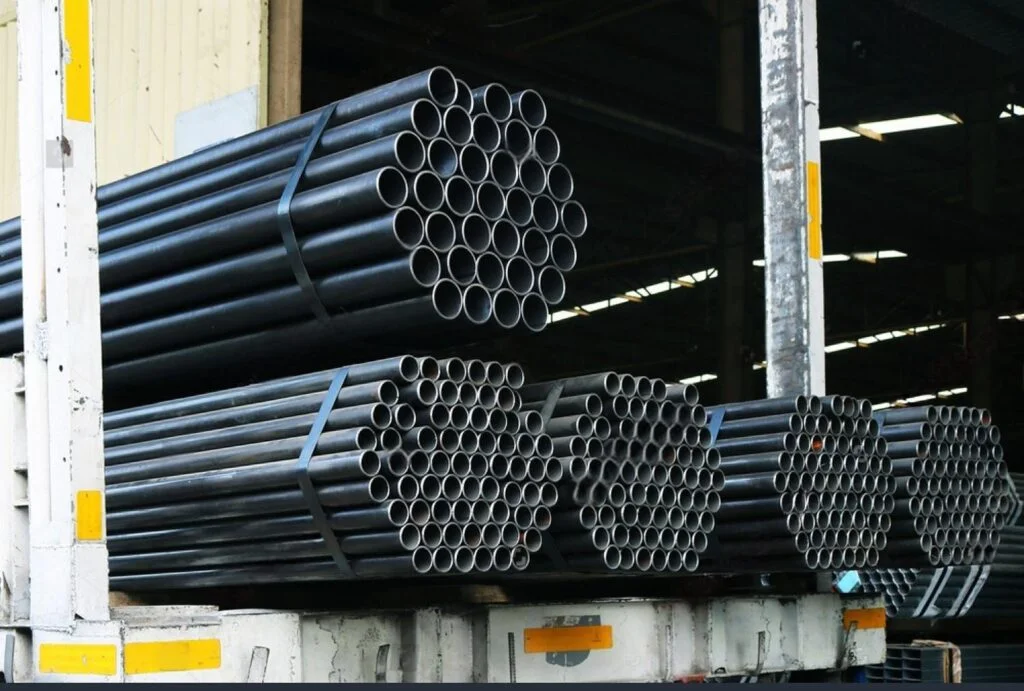
Carbon steel remains the most widely used material in industrial piping due to its exceptional strength and versatility.
Key Properties: High carbon content provides excellent tensile strength and impact resistance.
Advantages: Highly cost-effective, easy to weld, and capable of handling high pressure.
Applications: Oil and gas transport, power plants, and general structural piping.
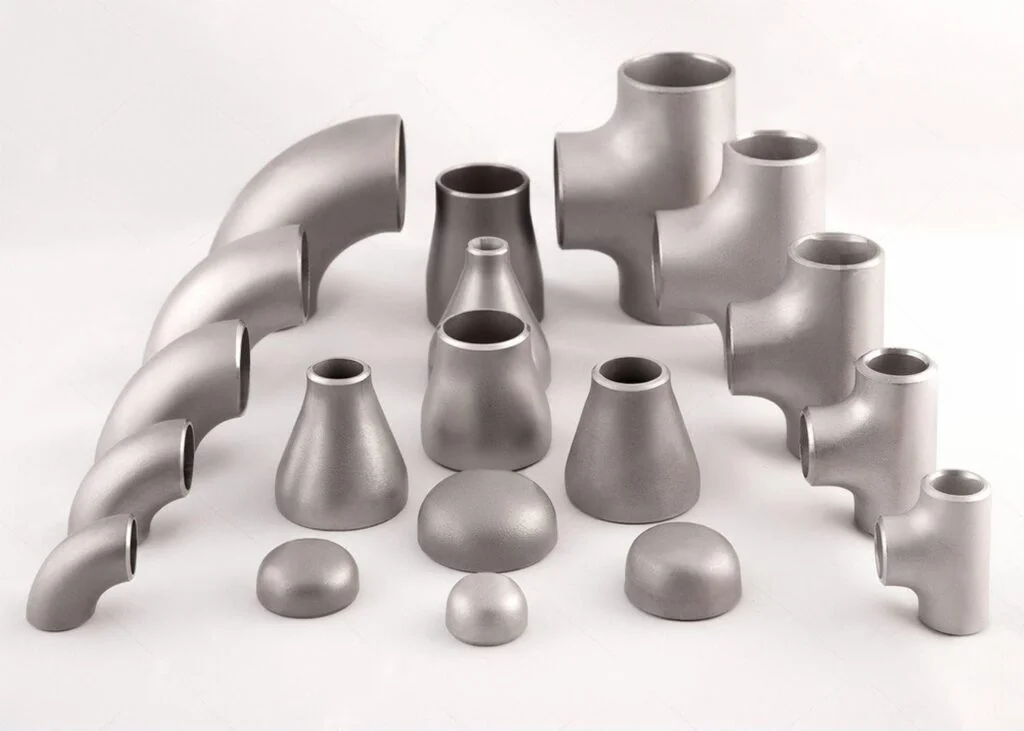
When corrosion is the primary concern, stainless steel is the gold standard.
Key Properties: Infused with chromium and nickel to create a passive oxide layer.
Advantages: Superior resistance to rust, oxidation, and chemicals. Non-reactive, making it ideal for hygienic environments.
Applications: Food and beverage processing, pharmaceutical industries, chemical plants, and marine environments.
Alloy steel fittings are engineered for specialized “extreme” conditions.
Key Properties: Enhanced with elements like molybdenum, chromium, and vanadium.
Advantages: Exceptional performance in high-temperature service and improved toughness against mechanical fatigue.
Applications: High-heat refinery processes, steam lines, and energy production.
For the most demanding offshore or chemical environments, Duplex steel offers a hybrid solution.
Advantages: Combines the best features of Austenitic and Ferritic steels, offering double the strength of standard stainless steel and elite resistance to stress corrosion cracking.
Industry-Specific Applications of Pipe Fittings
Different sectors have non-negotiable standards for their fittings:
- Petrochemical Industry: Relies on heavy-duty Carbon and Alloy steel for high-pressure crude oil transit.
- Water Treatment: Uses Stainless Steel or galvanized fittings to prevent contamination and rust.
- HVAC Systems: Often utilizes lightweight materials with high thermal conductivity.
Quality Starts with the Right Material
Selecting pipe fitting materials is a balancing act between environmental demands and budget constraints. Whether you need the ruggedness of carbon steel or the precision of stainless steel, ensuring your fittings meet ASTM and ASME standards is non-negotiable.
Looking for high-quality pipe fittings tailored to your project?
Rayoung provides a full range of certified piping solutions designed for global industrial standards. Our team of experts is ready to help you select the optimal material for your next installation.
Contact Us Today for a Custom Quote.
Email: info@hb-steel.com
Whats App: 008618003119682
