

In industrial piping, system integrity depends heavily on the quality of its connections. For stockists and large-scale distributors, understanding the technical nuances of carbon steel pipe fittings is essential to meeting the rigorous demands of sectors like oil and gas, chemical processing, and power generation.
What is a Butt Weld and Why Does it Matter?
When discussing high-pressure piping systems, the most common question from junior procurement officers is: What is a butt weld?
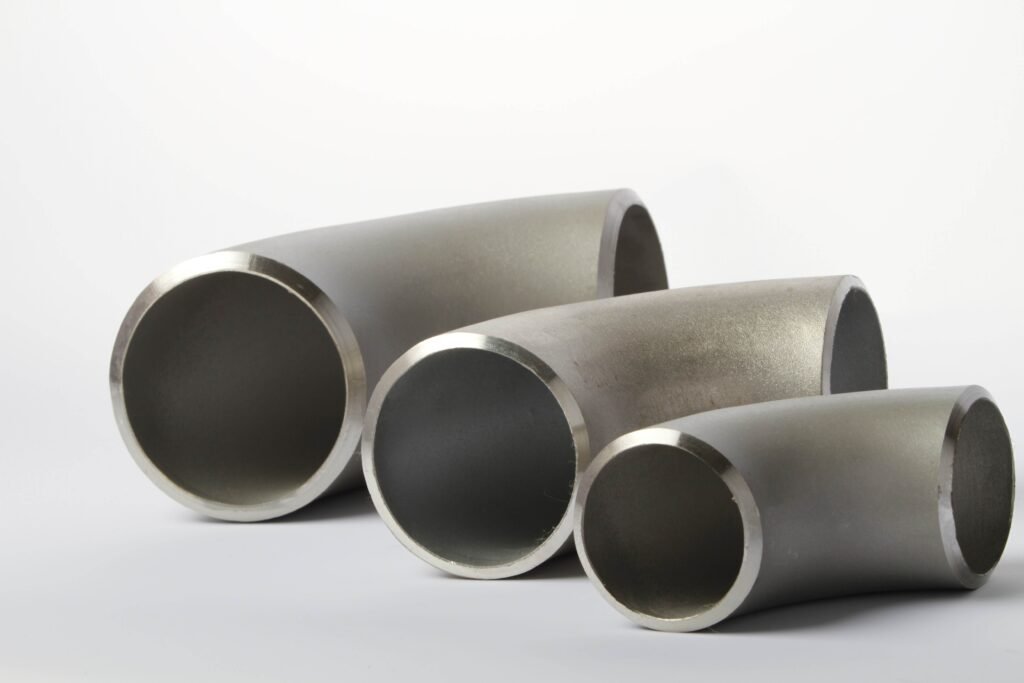
A butt weld is a peripheral joint where the ends of two pipe components are joined together by welding. In the context of butt weld tube fittings, this means the fitting’s end is beveled to match the pipe’s thickness. This method creates a continuous, leak-proof seal that offers superior strength compared to socket weld or threaded connections. For industrial applications, weld pipe fittings are preferred because they minimize turbulence and erosion inside the pipeline.
The Versatility of Carbon Steel Pipe Fittings
Carbon steel remains the industry standard for most structural and industrial piping due to its high tensile strength and cost-effectiveness. Whether you are dealing with ASTM A234 WPB or high-yield grades, carbon steel pipe fittings provide the durability needed for heavy-duty environments.
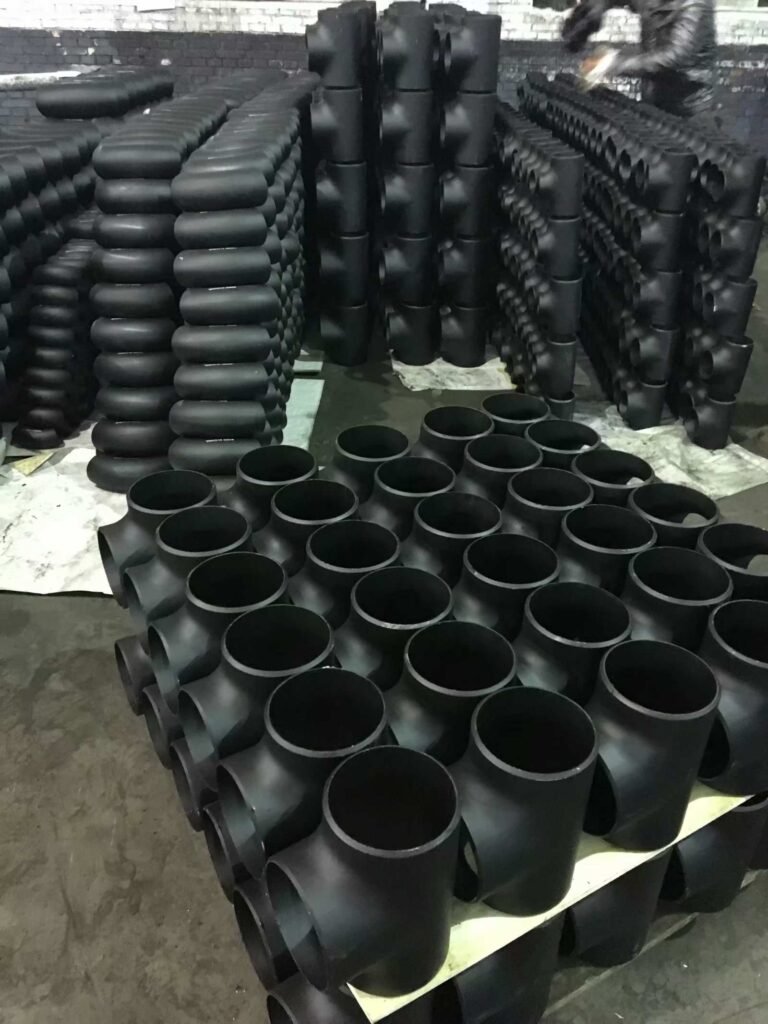
As a dedicated industry weld pipe fitting manufacturer, we specialize in a full range of weldable pipe fittings, including:
Elbows (45°, 90°, 180°): For changing flow direction.
Tees (Equal and Reducing): For branching off lines.
Reducers (Concentric and Eccentric): For adjusting flow volume.
Caps: For sealing the end of a pipe.
Precision in Pipe Fitting Dimensions
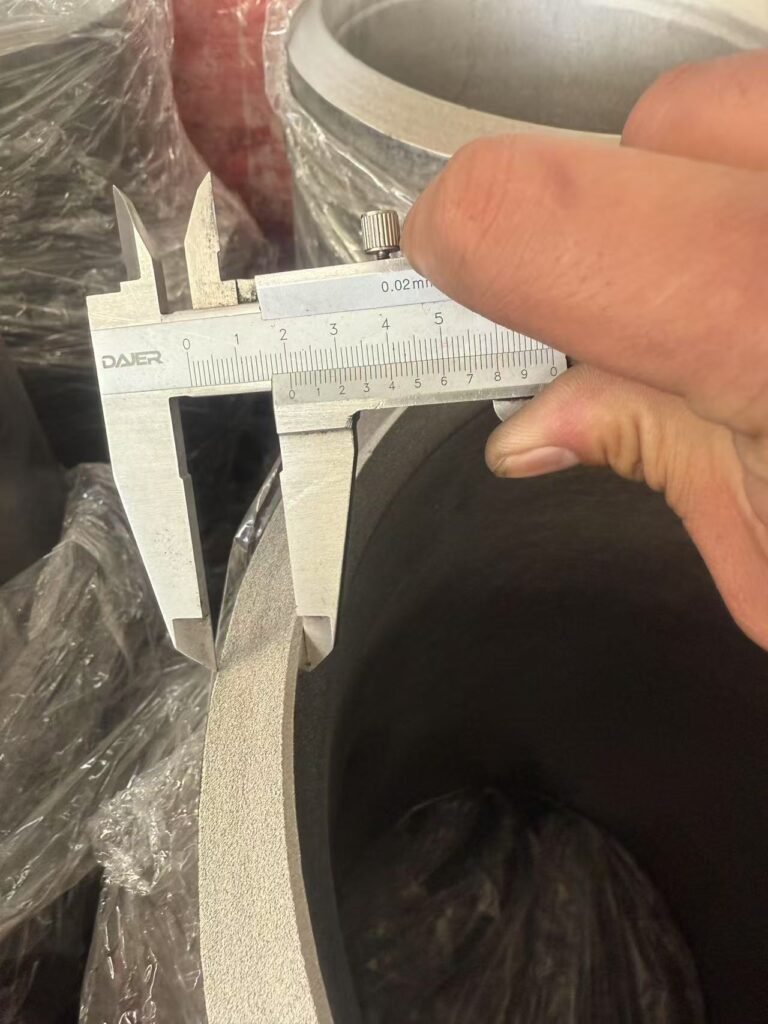
For international distributors, consistency in pipe fitting dimensions is the most critical factor. Global projects rely on strict adherence to standards such as ASME B16.9 and EN 10253.
When sourcing weld on pipe fittings, procurement teams must verify wall thickness (Schedules like Sch 40, Sch 80, or XXS) and outside diameters. Even a slight deviation in dimensions can lead to alignment issues during the welding process on-site, leading to costly delays.
At Rayoung, our production line utilizes precision machining to ensure every fitting meets the exact tolerances required by international codes.
Why Quality Control is Vital for Stockists?
Stocking weld on pipe fittings requires confidence in the manufacturer’s quality management system. Reliable butt weld tube fittings must undergo rigorous testing, including:
Non-Destructive Testing (NDT): X-ray or Ultrasonic testing to ensure weld integrity.
Hydrostatic Testing: To verify pressure-bearing capabilities.
Chemical Analysis: Ensuring the carbon content matches the Mill Test Certificate (MTC).
Conclusion
Selecting the right weldable pipe fittings is about more than just finding a low price; it’s about ensuring long-term safety and operational efficiency. For overseas distributors and inventory managers, partnering with a factory that understands both the technical “how-to” (like the intricacies of what is a butt weld) and the logistical “how-to” (meeting strict pipe fitting dimensions) is the key to business growth.
More informations, please contact us:
+86-18003119682
info@hb-steel.com